Why Solana (SOL) Is Gaining Ground as the Next Big Blockchain
In recent years, the blockchain landscape has become increasingly diverse, with new technologies and platforms emerging to solve the problems of scalability, speed, and cost that have plagued earlier blockchain networks. One such platform that is quickly gaining attention is Solana (SOL). Often described as the “Ethereum Killer,” Solana has garnered significant investment, user interest, and developer support, making it a strong contender for the title of the next big blockchain. In this article, we will explore the factors behind Solana’s rapid rise and why it is being considered the future of blockchain technology.
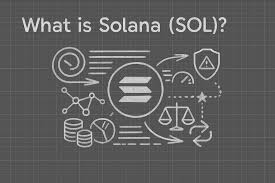
What is Solana (SOL)?
Solana is a high-performance blockchain platform designed to provide fast, secure, and scalable decentralized applications (dApps) and crypto projects. Founded in 2020 by Anatoly Yakovenko, Solana aims to address the scalability issues faced by other blockchain networks like Ethereum and Bitcoin. The platform is built with a focus on low transaction costs and the ability to process high throughput, making it a suitable choice for decentralized finance (DeFi), NFTs, and other blockchain-based applications.
Key Features of Solana That Set It Apart
- Lightning-Fast Transactions
Solana’s biggest selling point is its transaction speed. Unlike other blockchains that can only process a handful of transactions per second (TPS), Solana can handle over 50,000 transactions per second. This is made possible by its Proof of History (PoH) consensus mechanism, which timestamps transactions to enable fast processing without sacrificing security. In comparison, Ethereum processes around 15 transactions per second, which often leads to network congestion and high gas fees. - Low Transaction Costs
Transaction fees on the Solana network are exceptionally low, often a fraction of a cent per transaction. This makes Solana an attractive option for developers and users alike, as it allows for a seamless experience even during periods of high demand. Ethereum, on the other hand, often sees gas fees rise to exorbitant levels, especially when the network is congested, making it expensive for small transactions and users with limited funds. - Scalability
Solana’s architecture is designed for scalability from the ground up. The Proof of History (PoH) consensus mechanism and Turbine protocol allow Solana to scale horizontally, meaning that as demand for the network increases, Solana can handle the growing load by adding more validators. This ensures that the network remains fast, secure, and cost-efficient, even as the number of users and transactions grows exponentially. - Developer-Friendly Ecosystem
Solana’s focus on developer experience has also contributed to its growing popularity. The network supports Rust, C, and C++ programming languages, making it easier for developers to build decentralized applications (dApps) using languages they are already familiar with. Additionally, Solana’s robust developer tools and resources, such as Solana Studio and Anchor (a framework for writing Solana smart contracts), have helped create an environment where developers can build efficiently and quickly. - Strong Community and Ecosystem
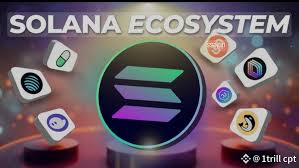
Solana has built a vibrant and growing ecosystem of projects across various sectors, including DeFi, NFTs, and Web3. Popular projects such as Serum, Raydium, Solanart, and Phantom Wallet have chosen Solana as their platform of choice, which has further fueled the network’s adoption. The Solana Foundation’s active support of the community, along with large investments from firms like Andreessen Horowitz and Multicoin Capital, has helped ensure that the platform continues to grow both in terms of technology and adoption.
Solana vs. Ethereum: A Head-to-Head Comparison
While Ethereum remains the dominant blockchain for dApps, NFTs, and DeFi, Solana’s rise as a serious competitor cannot be ignored. Here’s how the two platforms compare in several key areas:
| Feature | Solana | Ethereum |
|---|---|---|
| Transaction Speed | Up to 50,000 transactions per second | Around 15 transactions per second |
| Transaction Cost | $0.00025 per transaction | Varies (can be up to $100+ per transaction during congestion) |
| Consensus Mechanism | Proof of History + Proof of Stake | Proof of Stake (Ethereum 2.0) |
| Scalability | Highly scalable, can handle more than 50,000 transactions per second | Scalability is still being improved with Ethereum 2.0 |
| Ecosystem | Rapidly growing DeFi, NFTs, and dApp ecosystem | Established, but with high gas fees and congestion |
| Developer Tools | Developer-friendly, supports Rust, C, and C++ | Solidity-focused, requires more specialized knowledge |
As seen in the table, Solana offers a clear advantage in terms of transaction speed and cost, making it a more practical choice for developers who are concerned about scalability. Ethereum, while still leading in adoption and development, is working hard to improve these areas with its ongoing transition to Ethereum 2.0.
Why Solana Is Gaining Popularity
- Ethereum’s Gas Fees and Network Congestion
One of the key factors driving the rise of Solana is Ethereum’s high gas fees and network congestion. As Ethereum has become more popular, its network has become increasingly congested, especially during periods of high demand. This has made it expensive for users to interact with dApps and complete transactions, especially for smaller users. Solana’s low transaction fees and fast speeds present an appealing alternative to Ethereum, especially for DeFi applications and NFT projects. - Developer Interest
Solana’s growing developer ecosystem is another reason for its rise. As more and more developers build on Solana, the network’s ecosystem continues to expand, bringing in more users, projects, and institutional support. Solana’s commitment to providing developers with the tools and resources they need to succeed has made it a popular choice for building decentralized applications. - Institutional Investment and Backing
Solana has received significant backing from venture capital firms and institutional investors. Notable firms like Andreessen Horowitz and Multicoin Capital have made substantial investments in the platform, signaling strong faith in its future. These investments have helped Solana continue to grow and build out its infrastructure, making it a strong contender in the blockchain space. - Partnerships and Real-World Use Cases
Solana has established numerous partnerships with established players in the tech and finance industries, further boosting its credibility. For example, Solana recently partnered with FTX and Circle to launch a stablecoin and decentralized exchange (DEX), enhancing its real-world use cases. These partnerships continue to increase the adoption of Solana’s technology across various sectors.
The Future of Solana: Is It the Next Big Blockchain?
With its impressive transaction speed, low fees, scalability, and growing ecosystem, Solana has quickly become a leading contender in the blockchain space. While Ethereum still holds the largest share of the decentralized finance and smart contract space, Solana’s ability to scale and handle high-throughput applications makes it a serious challenger.
As more projects migrate to Solana and as the platform continues to innovate, Solana is poised to play a key role in the future of blockchain technology. Whether it becomes the “next big blockchain” depends on how well it can maintain its momentum and handle future challenges, but for now, Solana’s success is undeniable.
Conclusion
Solana’s unique features, such as its high transaction throughput, low fees, and scalability, make it an exciting blockchain platform for developers, users, and investors. Its ecosystem is growing at a rapid pace, and its low-cost, high-speed transactions make it an appealing choice for decentralized finance, NFTs, and other decentralized applications. While Ethereum remains a dominant player, Solana’s innovative approach to scalability and speed suggests that it is well-positioned to become one of the leading blockchain platforms in the years to come.
If you are considering building on or investing in a blockchain network, Solana (SOL) is undoubtedly a project to watch closely.