
The Digital Gold Revolution Reshaping Global Finance
The phrase “Digital Gold” has become synonymous with a new era of financial innovation. What began as a niche experiment in cryptography has evolved into a trillion-dollar asset class transforming banking, investing, and global economic systems. Today, digital gold is no longer a futuristic concept — it is a driving force reshaping global finance.
This article explores how digital gold is revolutionizing financial markets, why institutions are embracing it, and what it means for the future of money.
What Is Digital Gold?
Digital gold refers primarily to Bitcoin, a decentralized digital asset designed to function as a store of value similar to physical gold. Like gold:
- It is scarce (capped supply of 21 million coins)
- It is resistant to inflation
- It is independent of centralized control
- It serves as a hedge against economic uncertainty
Unlike traditional gold, however, digital gold exists entirely online and operates on a decentralized network powered by blockchain technology.
Why Bitcoin Is Called “Digital Gold”
The comparison between Bitcoin and gold is more than symbolic. Both assets share key characteristics that make them attractive during times of economic instability:
1. Scarcity and Limited Supply
Gold is naturally scarce. Bitcoin’s scarcity is programmed into its code.
2. Store of Value
Investors turn to gold during financial crises. Increasingly, they are doing the same with Bitcoin.
3. Decentralization
Gold is not controlled by governments. Similarly, Bitcoin operates without a central authority.
4. Mining Process
Gold is mined physically from the earth. Bitcoin is mined digitally through complex cryptographic computations.
The Role of Blockchain in the Digital Gold Revolution
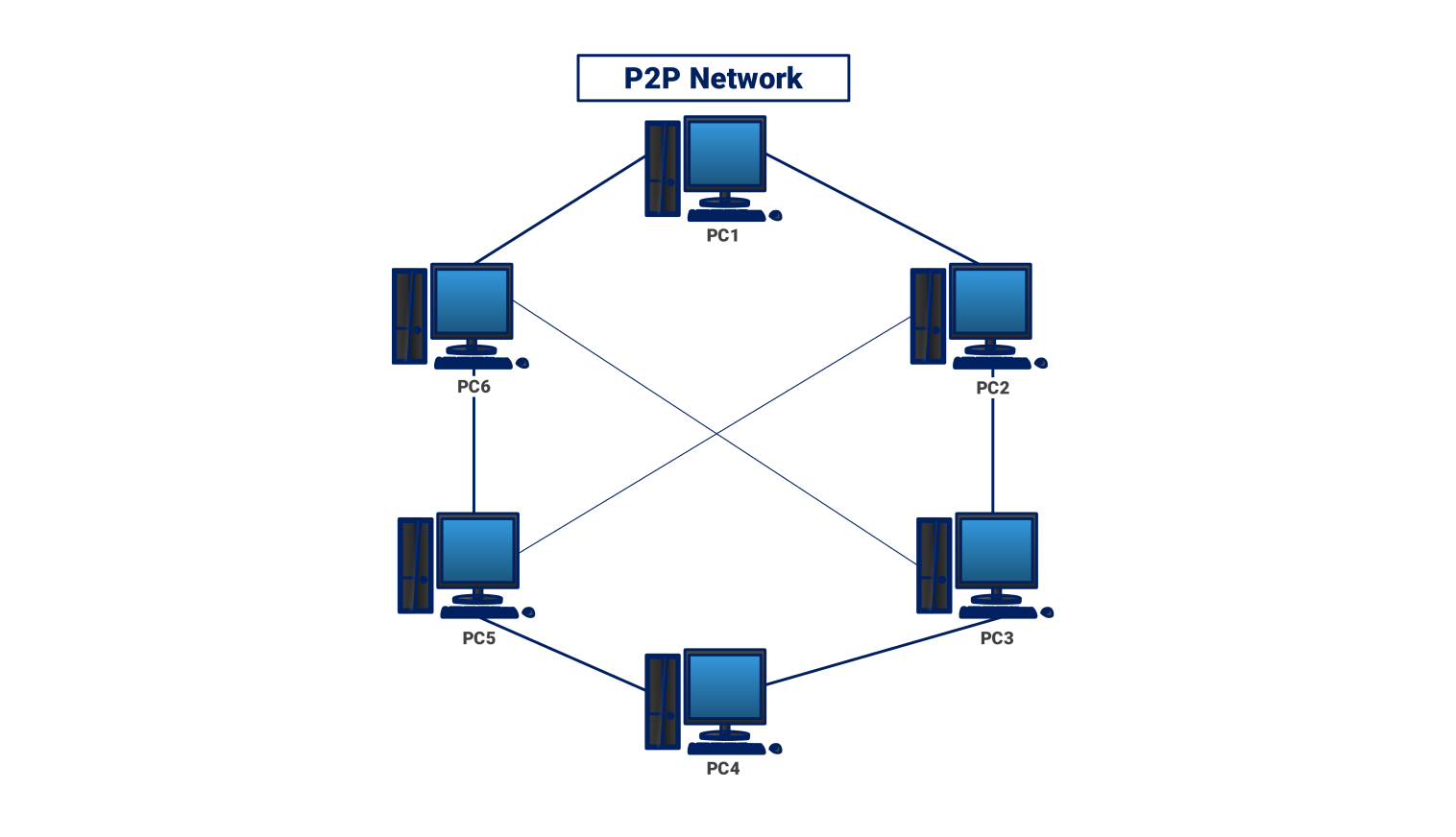
At the core of digital gold lies blockchain technology — a decentralized ledger that records transactions securely and transparently.


4
Blockchain ensures:
- Transparency of transactions
- Security through cryptographic verification
- Elimination of intermediaries
- Global accessibility
This infrastructure allows digital gold to operate across borders without banks or payment processors.
Institutional Adoption: A Turning Point
One of the biggest milestones in the digital gold revolution has been institutional adoption. Major corporations and financial institutions have begun adding Bitcoin to their balance sheets or offering crypto-related services.
Companies like Tesla, Inc. and asset managers such as BlackRock have embraced digital assets, signaling a shift from skepticism to strategic investment.
This institutional involvement has:
- Increased legitimacy
- Improved market liquidity
- Reduced volatility over time
- Encouraged regulatory development
Digital Gold vs Traditional Gold
| Feature | Digital Gold (Bitcoin) | Physical Gold |
|---|---|---|
| Portability | Instantly transferable | Requires storage & transport |
| Divisibility | Highly divisible | Limited divisibility |
| Storage | Digital wallet | Vaults or safes |
| Supply | Fixed at 21 million | Expands through mining |
| Accessibility | 24/7 global access | Market hours & physical access |
While gold has a 5,000-year history, digital gold is proving to be more adaptable to the digital economy.
How Digital Gold Is Reshaping Global Finance
1. Decentralized Finance (DeFi)
Digital gold plays a foundational role in decentralized finance, enabling lending, borrowing, and trading without traditional banks.
2. Cross-Border Payments
International transfers using traditional systems can take days. Digital gold transactions can settle in minutes, reducing costs and delays.
3. Inflation Hedge
In countries facing currency devaluation, Bitcoin has emerged as an alternative store of value.
4. Financial Inclusion
Millions of unbanked individuals can access digital assets using only a smartphone and internet connection.
Regulatory Landscape: Challenges and Opportunities
Governments worldwide are working to regulate digital assets while encouraging innovation. Regulatory clarity will determine how rapidly digital gold integrates into mainstream finance.
Countries such as El Salvador have taken bold steps by adopting Bitcoin as legal tender, further accelerating global conversations about digital currency frameworks.
Risks of Digital Gold
While promising, digital gold comes with risks:
- Price volatility
- Regulatory uncertainty
- Cybersecurity threats
- Market speculation
Investors must approach digital gold with long-term strategies and proper risk management.
The Future of Digital Gold

4
The future of digital gold points toward:
- Increased institutional investment
- Integration with traditional banking systems
- Expansion of decentralized financial platforms
- Greater global acceptance
As technology advances and regulations mature, digital gold may become a permanent pillar of the global financial system.
Conclusion: A Financial Revolution in Motion
The digital gold revolution is not just about cryptocurrency — it represents a structural transformation in how value is stored, transferred, and preserved. As economic landscapes evolve, digital assets are positioning themselves alongside traditional stores of value.
From institutional adoption to decentralized innovation, digital gold is reshaping global finance in profound ways. Whether viewed as an investment, hedge, or technological breakthrough, one thing is clear:
The future of finance is increasingly digital — and digital gold is leading the way.