
Is It Still the Future of Decentralized Finance?
Decentralized Finance (DeFi) was once hailed as the financial revolution that would replace traditional banks, empower individuals, and reshape global markets. From explosive growth in 2020–2021 to market corrections and regulatory scrutiny, the question now stands: Is DeFi still the future of finance, or has the hype faded?
Let’s explore where DeFi stands today, what challenges it faces, and whether it still holds long-term potential.
What Is Decentralized Finance (DeFi)?
Decentralized Finance refers to a blockchain-based financial ecosystem that eliminates intermediaries like banks and brokers. Instead, it uses smart contracts on blockchain networks to enable:
- Lending and borrowing
- Trading
- Yield farming
- Staking
- Insurance
- Asset management
The majority of DeFi applications run on Ethereum, though other blockchains like Solana, BNB Chain, and Avalanche have gained significant traction.
The Rise of DeFi: What Made It Revolutionary?
1. Permissionless Access
Anyone with an internet connection and crypto wallet could access financial services without approval from a bank.
2. Transparency
All transactions are recorded on public blockchains, increasing transparency.
3. High Yield Opportunities
Platforms offered attractive returns compared to traditional savings accounts.
4. Innovation Speed
New protocols launched rapidly, experimenting with financial models impossible in traditional finance.
Key DeFi Protocols That Shaped the Industry
1. Uniswap

4
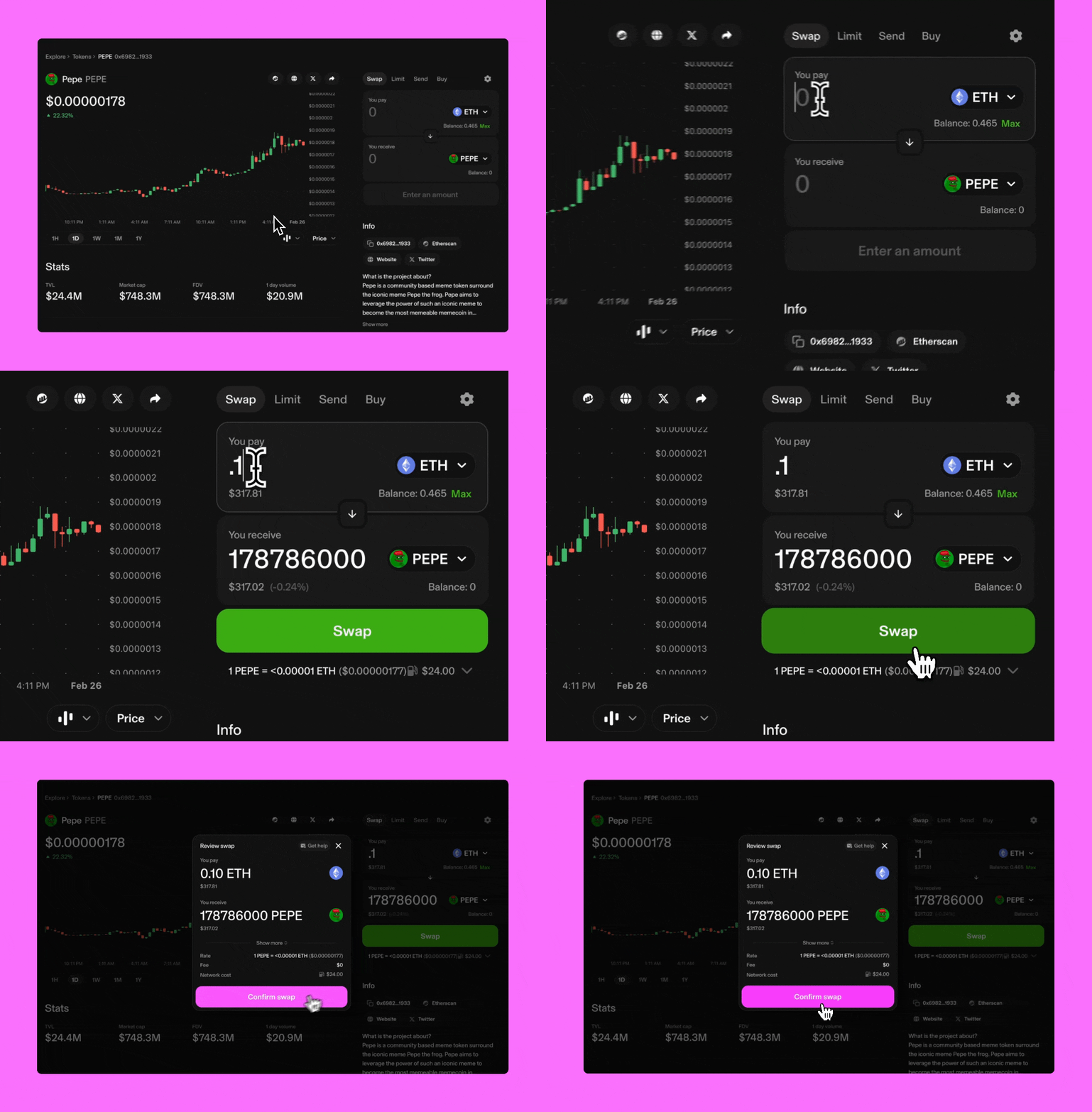
A decentralized exchange (DEX) that allows users to swap tokens without intermediaries. It popularized the automated market maker (AMM) model.
2. Aave


4
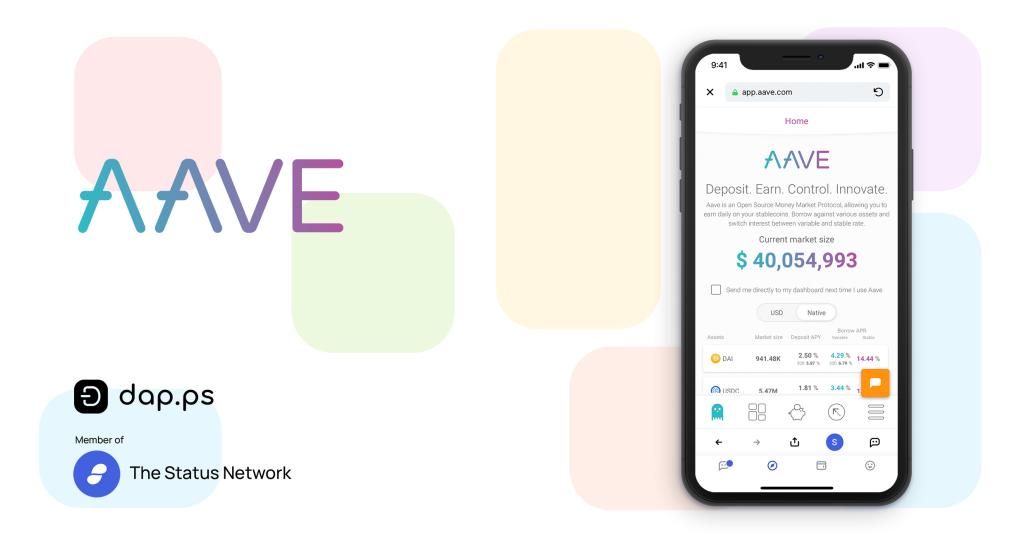
A decentralized lending and borrowing protocol that enables users to earn interest or take loans without traditional banks.
3. MakerDAO

4
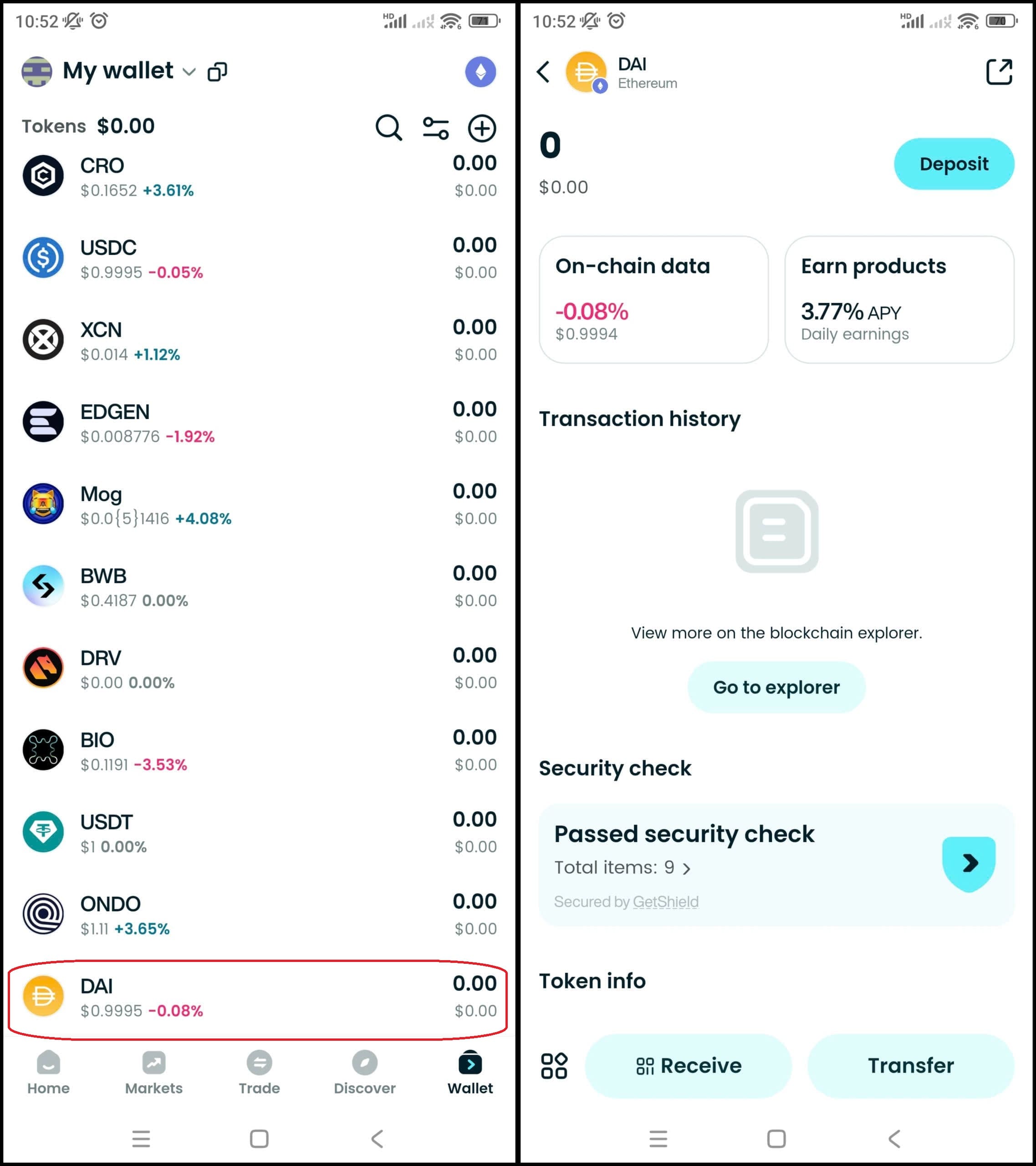
The protocol behind the DAI stablecoin, helping create decentralized stable digital currency solutions.
These platforms demonstrated that decentralized exchanges, lending, and stablecoins could function without centralized control.
Challenges Facing DeFi Today
Despite its innovation, DeFi faces significant hurdles:
1. Regulatory Uncertainty
Governments worldwide are still determining how to regulate DeFi. Increased oversight could either legitimize the space or restrict it.
2. Security Risks
Smart contract bugs and hacks have resulted in billions in losses over the years.
3. Scalability Issues
Network congestion and high gas fees (especially on Ethereum) limit accessibility for smaller investors.
4. Market Volatility
Crypto price swings directly impact DeFi platforms and liquidity pools.
Is DeFi Still Growing?
While the initial hype has cooled, development has not stopped. Several trends suggest DeFi is evolving rather than disappearing:
- Layer 2 scaling solutions improving transaction speeds
- Institutional interest in tokenized assets
- Real-world asset (RWA) tokenization
- Improved smart contract audits and security frameworks
- Cross-chain interoperability solutions
DeFi is shifting from speculative yield farming to more sustainable financial infrastructure.
DeFi vs Traditional Finance: The Ongoing Debate
| Feature | DeFi | Traditional Finance |
|---|---|---|
| Accessibility | Global & permissionless | Region-based & regulated |
| Transparency | Public blockchain | Private systems |
| Speed | Near-instant | Slower, especially cross-border |
| Regulation | Evolving | Established |
Rather than replacing banks, DeFi may integrate with traditional systems over time.
The Future of Decentralized Finance
So, is DeFi still the future?
The answer appears to be yes — but in a more mature form.
Instead of speculative bubbles, the next phase of DeFi may focus on:
- Sustainable yields
- Compliance-friendly frameworks
- Integration with traditional institutions
- Real-world use cases
- Improved user experience
The industry is transitioning from experimental innovation to practical infrastructure.
Final Verdict: Evolution, Not Extinction
Decentralized Finance is no longer just hype-driven. It’s undergoing necessary corrections, strengthening security, improving scalability, and adapting to regulation.
While challenges remain, the core promise of DeFi — financial freedom, transparency, and decentralization — continues to attract developers, investors, and institutions alike.
DeFi isn’t disappearing. It’s evolving.
SEO Keywords Included:
- Decentralized Finance
- DeFi future
- blockchain finance
- DeFi protocols
- crypto lending
- decentralized exchanges
- DeFi growth
- Ethereum DeFi
If you’d like, I can also optimize this further for WordPress (meta description, slug, FAQs, internal linking suggestions, and schema markup).