
How the World’s First Cryptocurrency Changed Money Forever
Introduction
In 2009, a quiet technological revolution began with the launch of Bitcoin, the world’s first cryptocurrency. Created by the mysterious Satoshi Nakamoto, Bitcoin introduced a new form of digital money that operates without banks, governments, or intermediaries.
What started as an experiment among programmers has grown into a global financial movement. Today, cryptocurrencies influence banking, investing, online payments, and even how governments think about money itself.
But how exactly did Bitcoin change money forever? Let’s explore.
The Birth of Decentralized Money
Before Bitcoin, all digital payments relied on centralized institutions:
- Banks
- Credit card companies
- Payment processors
Bitcoin changed this model by introducing decentralization.
Instead of trusting a central authority, Bitcoin runs on a peer-to-peer network powered by blockchain technology. Transactions are verified by participants (miners) and recorded on a public ledger called the blockchain.
In October 2008, Satoshi Nakamoto released the famous whitepaper titled “Bitcoin: A Peer-to-Peer Electronic Cash System.” This document outlined a system where:
- No single entity controls the network
- Transactions are transparent yet pseudonymous
- Supply is limited (only 21 million Bitcoins will ever exist)
This concept reshaped the global conversation around money.
The Introduction of Blockchain Technology


4
One of Bitcoin’s most significant contributions is blockchain technology.
A blockchain is:
- A distributed ledger
- Immutable (cannot be easily altered)
- Transparent
- Secured by cryptography
Before Bitcoin, digital transactions required trust in institutions. Blockchain replaced institutional trust with mathematical proof.
This innovation has since expanded beyond cryptocurrency into:
- Supply chain management
- Healthcare records
- Smart contracts
- Digital identity systems
Without Bitcoin, blockchain as we know it might never have gained global attention.
Financial Freedom and Borderless Payments
Traditional international money transfers can be:
- Slow
- Expensive
- Restricted by governments
Bitcoin introduced borderless payments.
Anyone with internet access can:
- Send value globally
- Receive payments without a bank
- Store wealth digitally
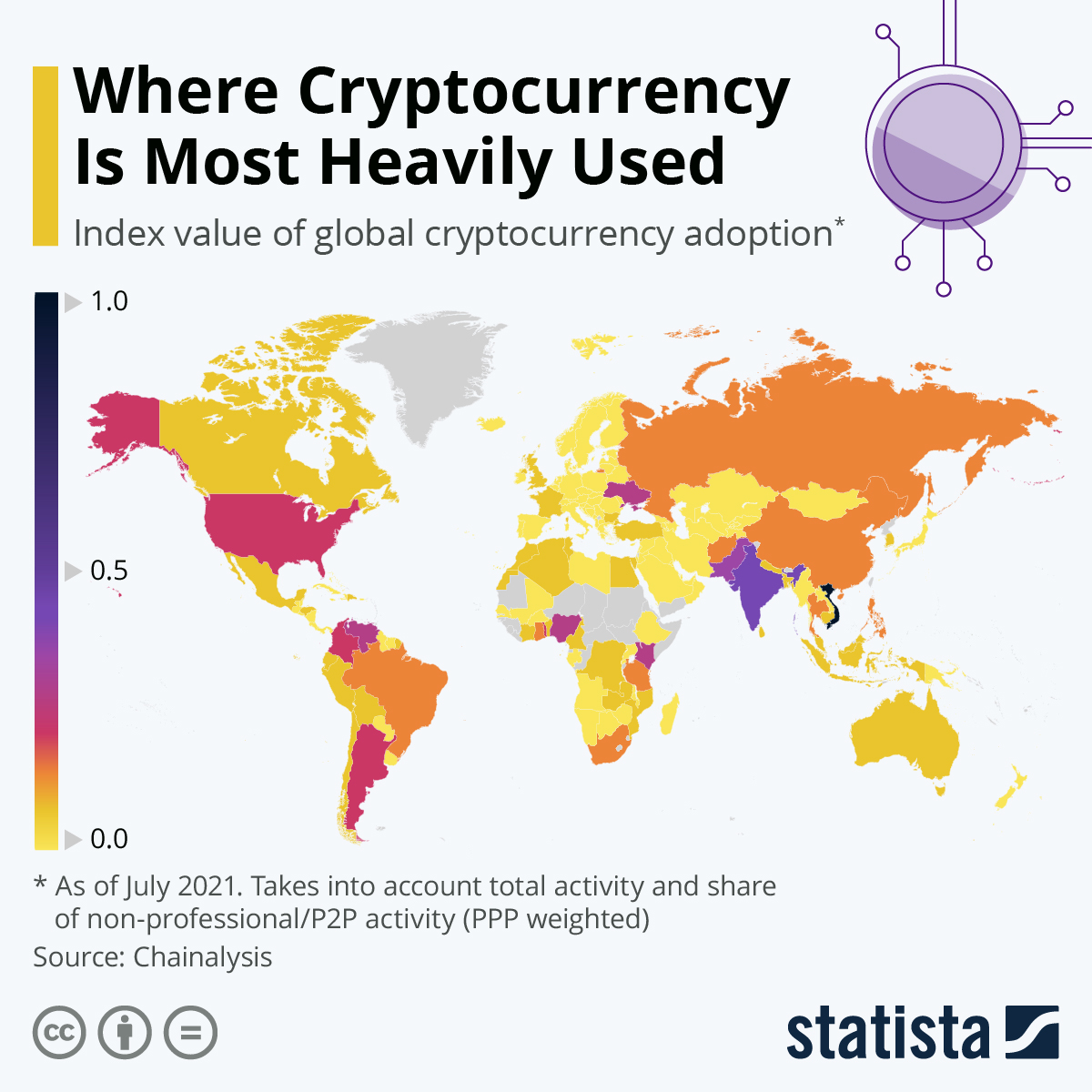
This has been especially transformative in regions with unstable currencies or limited banking access. For many, cryptocurrency became a tool for financial inclusion.
Limited Supply: A New Monetary Model
Unlike traditional fiat currencies, which governments can print at will, Bitcoin has a fixed supply of 21 million coins.
This scarcity model introduced the concept of:
- Digital gold
- Inflation-resistant assets
- Programmed monetary policy
As a result, many investors view Bitcoin as a hedge against inflation and economic instability.
The Rise of the Crypto Economy
Bitcoin didn’t just create a new currency — it launched an entire industry.
After Bitcoin came thousands of cryptocurrencies, including:
- Ethereum – introduced smart contracts
- Litecoin – designed for faster transactions
- Ripple – focused on global payment solutions
This expansion created:
- Crypto exchanges
- NFT marketplaces
- Decentralized Finance (DeFi) platforms
- Web3 applications
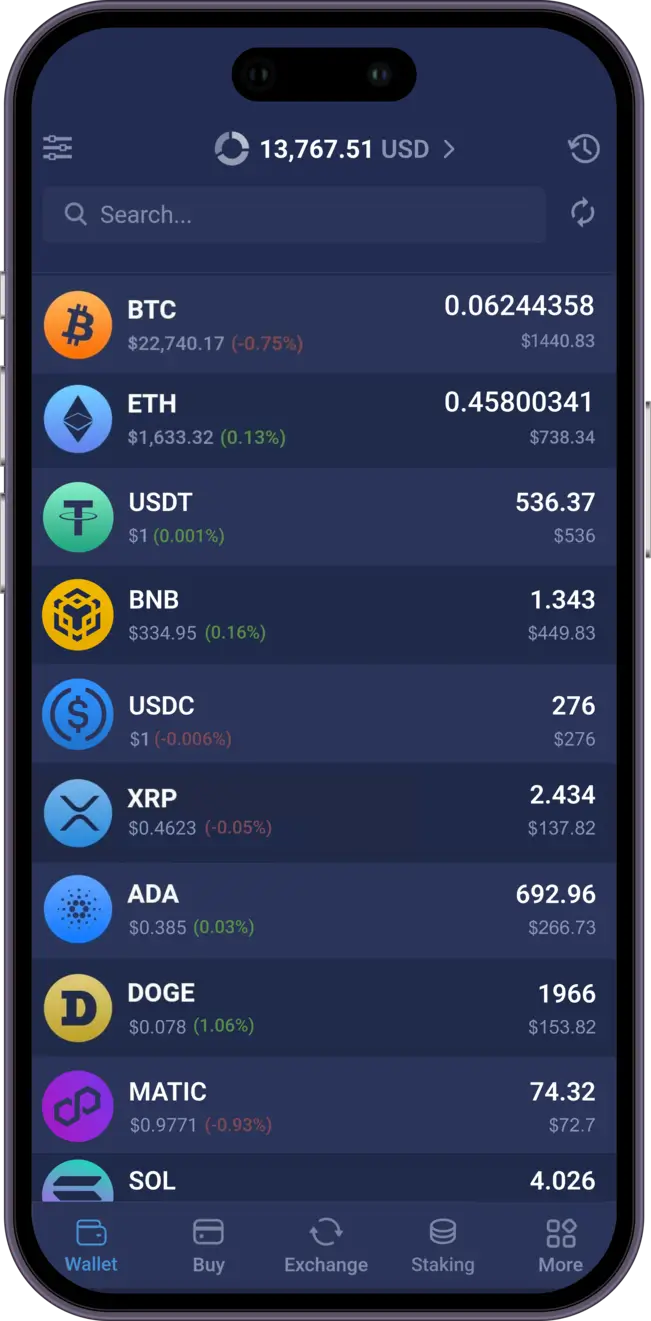
Today, the cryptocurrency market is worth trillions of dollars and continues to evolve.
Changing How We Think About Trust
Perhaps Bitcoin’s biggest impact is philosophical.
Before cryptocurrency, we trusted:
- Governments
- Central banks
- Financial institutions
Bitcoin introduced the idea of trustless systems — where code replaces intermediaries.
This shift has influenced discussions around:
- Central Bank Digital Currencies (CBDCs)
- Financial privacy
- Digital ownership
- Internet decentralization
The world is now exploring whether the future of finance should be centralized, decentralized, or a hybrid of both.
Challenges and Controversies
Bitcoin’s journey hasn’t been without obstacles:
- Price volatility
- Regulatory crackdowns
- Environmental concerns over mining
- Security breaches on exchanges
Despite criticism, Bitcoin has survived multiple market crashes and regulatory pressures, proving its resilience.
How Bitcoin Continues to Shape the Future
4
Today, Bitcoin influences:
- Institutional investing
- Corporate treasury strategies
- Global remittance systems
- Digital asset regulations
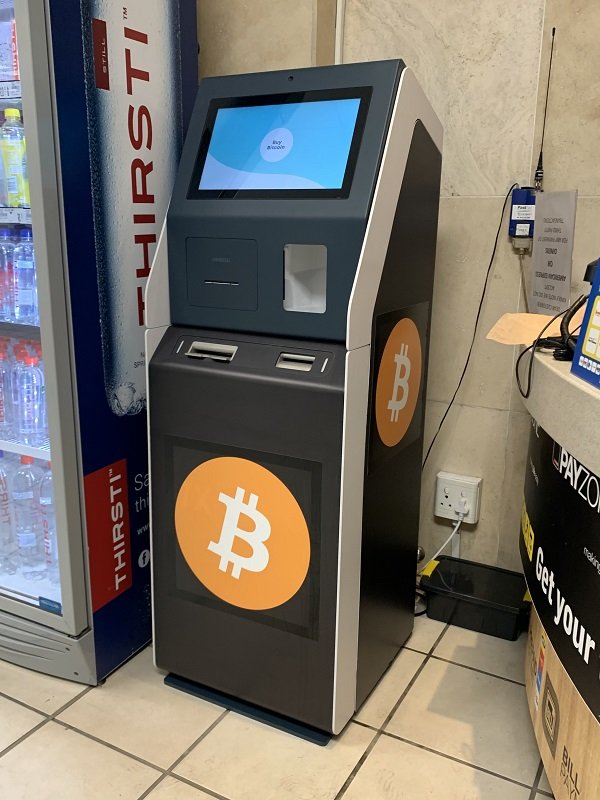
Major companies and financial institutions now hold Bitcoin as part of their portfolios. Governments are actively developing crypto regulations and digital currency policies.
What was once dismissed as “internet money” is now a recognized asset class.
Conclusion: A Monetary Revolution
The world’s first cryptocurrency did more than create digital coins — it redefined money itself.
Bitcoin introduced:
- Decentralized financial systems
- Blockchain technology
- Digital scarcity
- Borderless transactions
Whether you see it as digital gold, revolutionary technology, or speculative asset, one thing is certain:
Bitcoin permanently changed how the world understands and uses money.
As the global economy continues to digitize, the impact of the first cryptocurrency will likely shape financial systems for generations to come.
If you’d like, I can also create:
- A meta description for SEO
- SEO keywords list
- Internal linking strategy
- FAQ schema section
- WordPress-ready formatted version